By Bruce Scholl, Unscrew the News
Alberta’s push toward a referendum is not merely a political tactic. It is a test of whether Canadians who still believe in earned independence and local self-determination can rebuild the conditions for a decent life when the national project is no longer willing to protect them.
My family came here with a dream of a better life. I remember the stories from my father’s parents about arriving in a land that was harsh and wild. They cleared the land with horses and help from neighbors so they could raise animals and grow grain. The children did not have luxuries; they learned to make do, care for the younger ones, and build a life from necessity. It was not easy.
My mother’s parents left Scandinavia for a better future for their three children. They arrived without English, carrying a simple belief: that hard work should allow their kids to prosper. They did not expect handouts—no free rent, no free food, no free health care—just the chance to work and keep what they earned.
Millions of Canadians share versions of these stories—ancestors who toiled so their descendants could be freer and better off. Our grandparents left what they felt was an unacceptable status quo and came to Canada because she promised freedom and meritocracy: work hard, contribute, and you can earn a decent life.
That Canada is gone. Instead of a country that rewards effort and leaves people alone, it exists under an Ottawa that feels like a feudal tax collector—more rules, more reach, less room to breathe. If you are reading this, you have probably run the numbers and wondered what it would take to leave—Mexico, the Dominican Republic, Ecuador. I have too. I have drawn up plans.
This is the deviation from the path and home we understood to be permanent, and it is where many of us have decided to draw a line: since the country will not protect the conditions for a decent, self-directed life, then Alberta must be prepared to do so within her own borders.
In that context, today matters—not as a finish line but as evidence that a serious political project can be built by ordinary people who are willing to sacrifice their time, energy, and reputation. Whatever comes next, this is a turning point because it makes concrete what has previously been derided as unthinkable.

After thousands of volunteer hours, the citizen-initiative petition has reached a key milestone that keeps the process moving toward a referendum on seceding from Canada. For supporters, it is a signal that this is no longer just talk; it is an organized effort with measurable progress.
The immediate goal is May 2, 2026, and the task now is straightforward: keep collecting signatures and widen the margin. An attempt to halt the effort on April 7 may be unable to stop it, and the campaign can continue toward completion—provided people keep showing up.
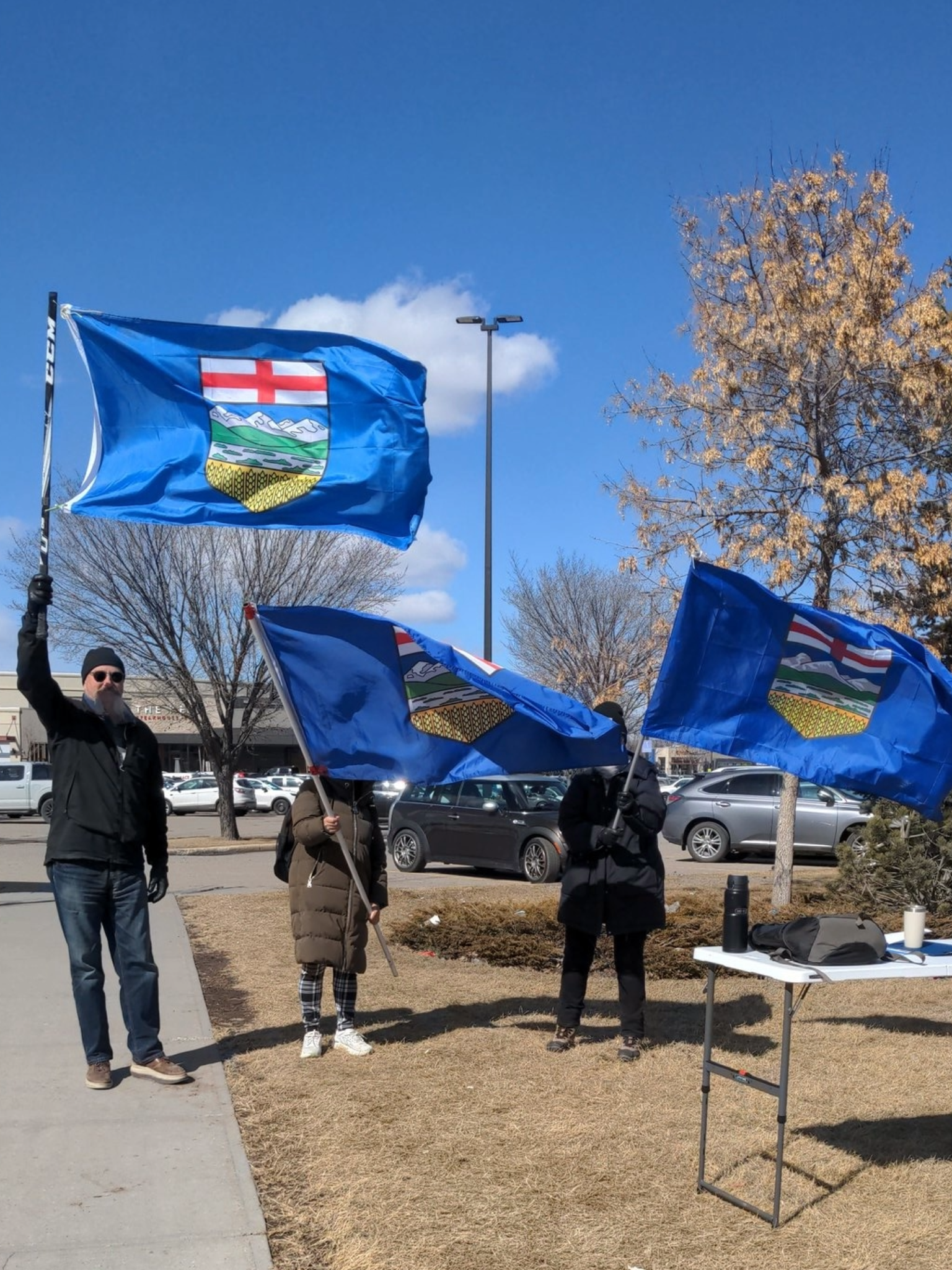
It is worth acknowledging the win, but it only matters if it produces discipline rather than complacency. The more signatures gathered beyond the minimum, the harder it becomes to dismiss this as a fringe impulse, and the clearer the mandate becomes. Alberta’s mandate is being built the old-fashioned way. Thousands of Albertans have stood outside in winter conditions, giving their time because they can picture a better life for their children and the generations that follow. Many stepped away from their families to build what they were told could not be built. It mattered too much to leave it for someone else to handle.
Good day Calgary!
— unscrew the news (@unscrewthenews) March 12, 2026
Shitty roads.
Snow.
Independence waits for no one!
Want to sign petition?
DM me. I will drive to you.
Seriously.@DavidJPba @stayfreealberta @Doubletapp187 pic.twitter.com/t2mRGerfMJ
Why This Fight Exists
Why does this resonate at all? Because many of us have felt dismissed over many years. We have been treated by government officials as irresponsible or irrational simply for asking questions, weighing tradeoffs, and insisting on the right to think critically.
We also watched political hope rise and fall as national debates drifted toward sweeping agendas. The practical wellbeing of ordinary people—housing, affordability, work, and local autonomy—fell by the wayside. Even when government personnel changed, the underlying posture remained the same: the West produces, Ottawa decides, and everyone else lectures.
So people do what communities have always done when they have felt unheard: they organize. Not perfectly, not with a single leader or a single message, but with a shared conviction that this place is worth fighting for: Alberta should be able to chart her own course.
None of this will be handed over willingly. Any government—federal or provincial—that benefits from the current arrangement will use law, procedure, and public pressure to protect its interests. That is not cynicism; it is simply how power behaves when it is challenged.
That is why discernment and critical thinking matter so much in this moment. If this movement is going to succeed, it has to be grounded in a clear why. That will generate disciplined strategy and the patience to keep working when the news cycle moves on.
Keep going. Keep signing. Keep building—quietly, steadily, and with purpose. Hold the line, do the work, and finish strong. October 19 is achievable if we move with unity and resolve.
Bruce Scholl is a podcast host and citizen journalist based in Alberta.