Not Genocide: Politics versus Law in the Trial of Ríos Montt
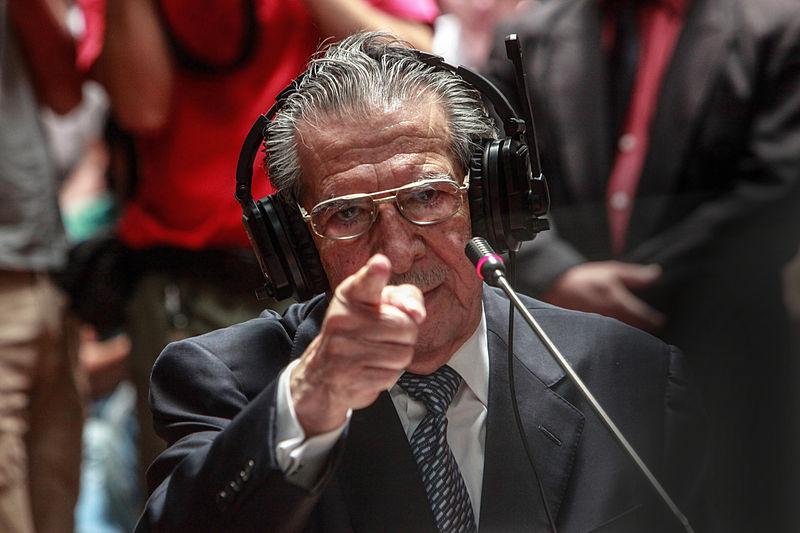
The question at the heart of the Ríos Montt trial is a simple and potentially dreadful one: did genocide occur during Guatemala’s internecine conflict?
To so many in the Anglosphere, Latin America is a mystery. The barriers of language, religion, and colonial history lead to endless confusion and leave untapped the potential for fruitful relationships.
Guatemala has lately been a focus of international attention, and the present writers have extensive knowledge of the politics of this country. Even so, we were surprised when we were contacted by a reporter from the McClatchy news organization, which has a wide reach in US news markets.
If you were observing US diplomacy in search of the curious – and you had decided to eavesdrop at one of its remotest, least-visited quarters – you would go to the Central American republic of Guatemala, where you would find something quite revealing about the nature of Barack Obama.
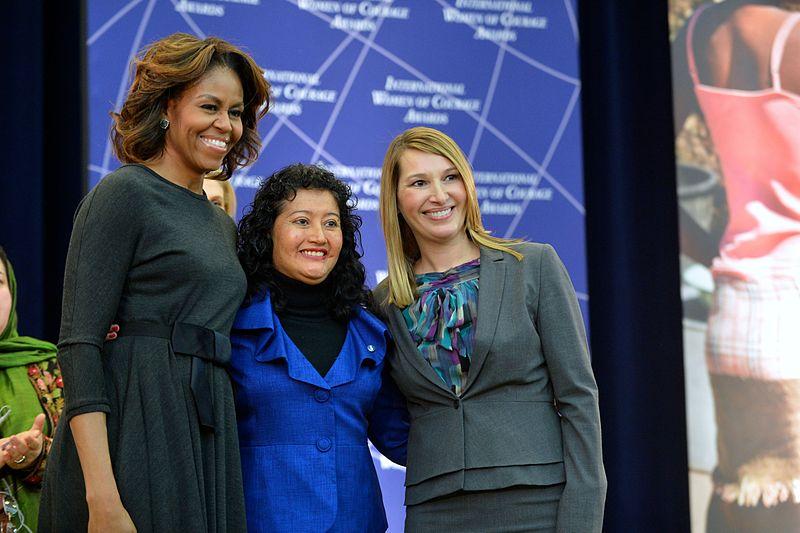
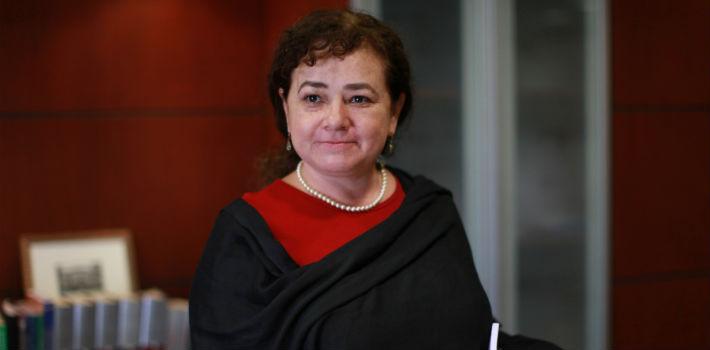
In late 2011, Guatemala’s powerful attorney general, Claudia Paz y Paz, brought criminal charges of genocide against the country’s former leader, General Efrain Rios Montt.
For the past year or two, Secretary of State Hillary Clinton and other diplomats have been hand-holding an attorney general in Guatemala who has twisted the law for political purposes and acted against a constitutional order.