
El fantasma de Castro ronda por Centroamérica
 • June 16, 2017
 Trump puede acabar con el demonio y facilitar el desarrollo económico
 • June 16, 2017
 Trump puede acabar con el demonio y facilitar el desarrollo económico
 • June 16, 2017
 Trump Can Slay the Demon, Unlock Economic Development
 • June 5, 2017
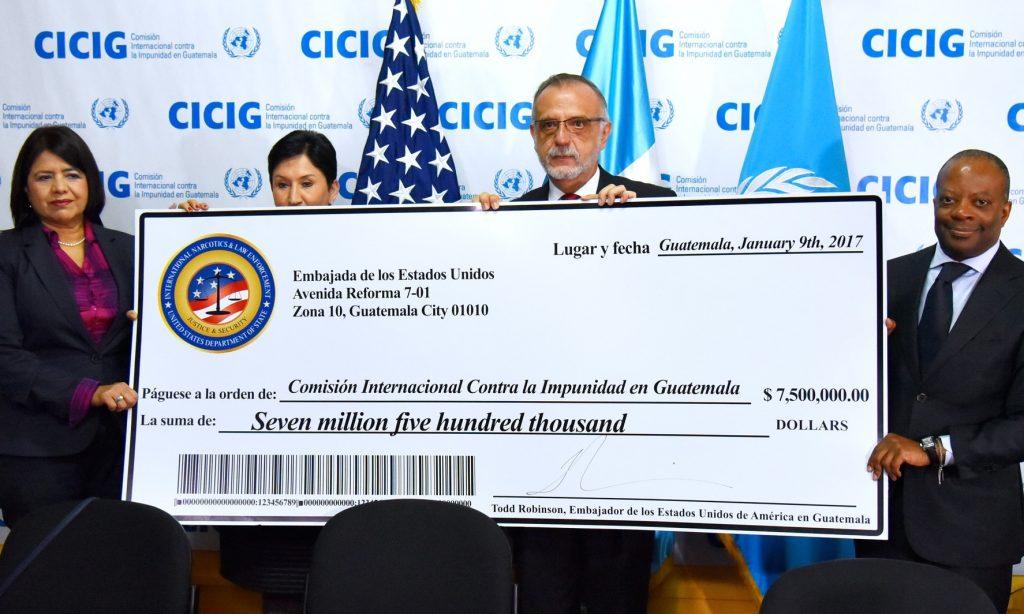
 House Resolution on CICIG Conceals the Truth about Guatemala, Aids Violent Leftists
 • May 24, 2017
 Atlantic Council Turns Blind Eye to US Support for Criminality in Guatemala
 • May 14, 2017
 Enforce Terms of US Aid to Northern Triangle
 • May 10, 2017
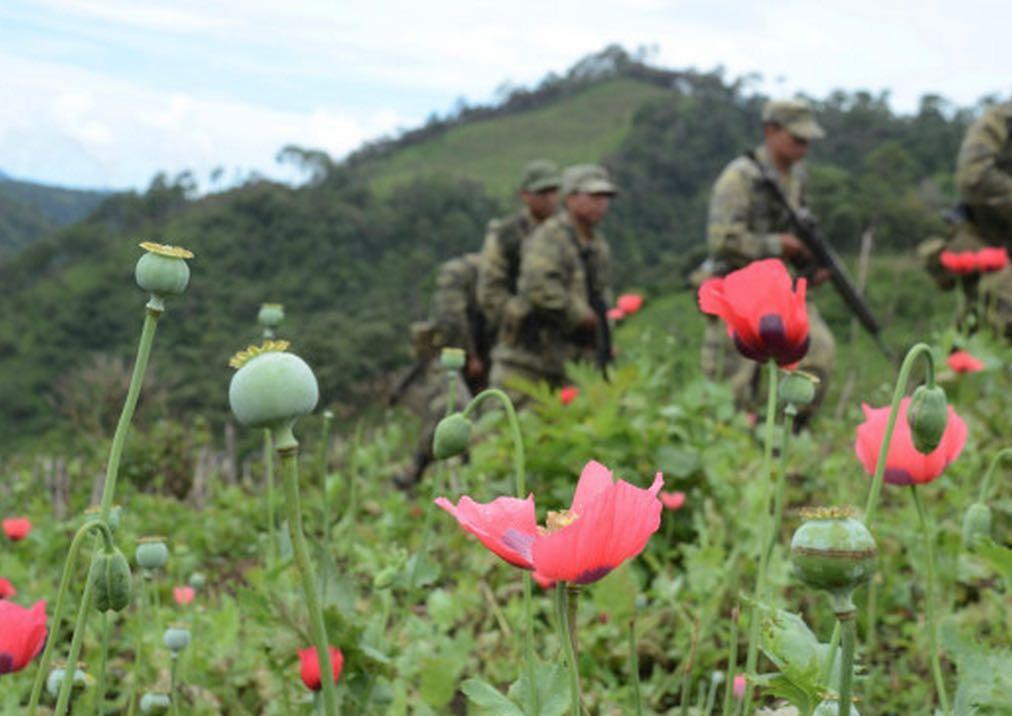
 Shifting Obama Policy in Guatemala Would Improve Poppy Eradication Efforts
 • April 26, 2017
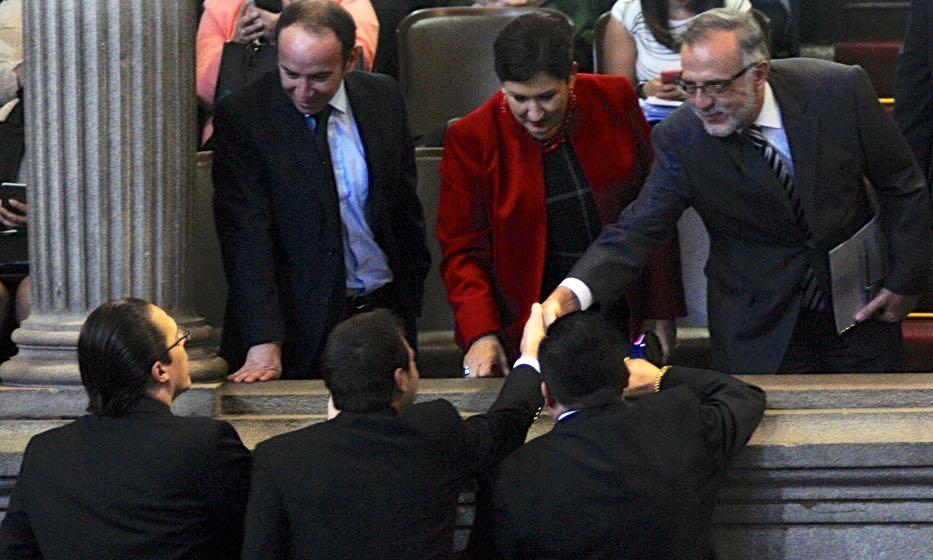
 US Ambassador, UN Commissioner Undo Alliance for Prosperity Objectives
 • March 25, 2017
 Heads Must Roll or Illegal Immigration Will Keep Flowing
 • March 14, 2017
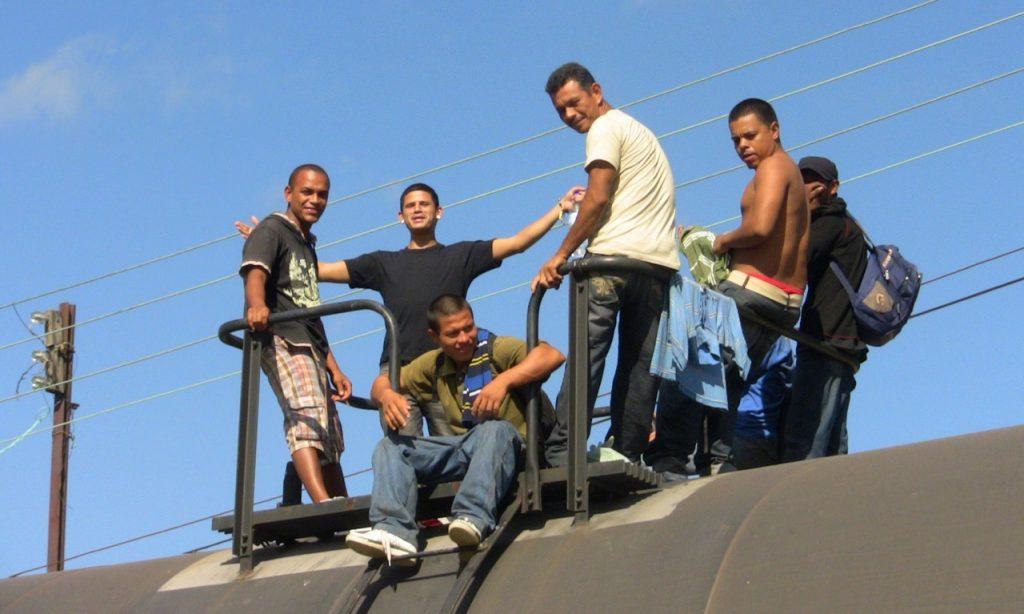
 The Hill Overlooks Opportunity to Strike the Root in Guatemala
 • February 27, 2017
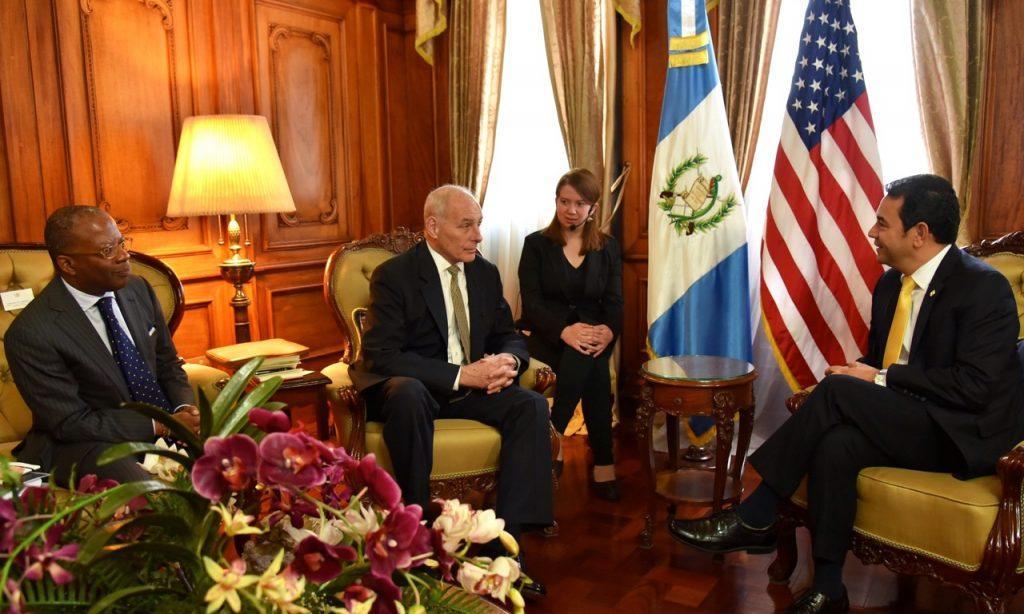
 The fight against illegal immigration is a fight for the rule of law. The enemy of rule of law in Guatemala is hidden in plain sight, and with a name that belies its true purpose.
 • February 12, 2017
 The Trump administration’s temporary travel ban on seven Middle Eastern countries, pending proper vetting, means people intent on doing us harm will look for another way into the United States.
 • January 23, 2017
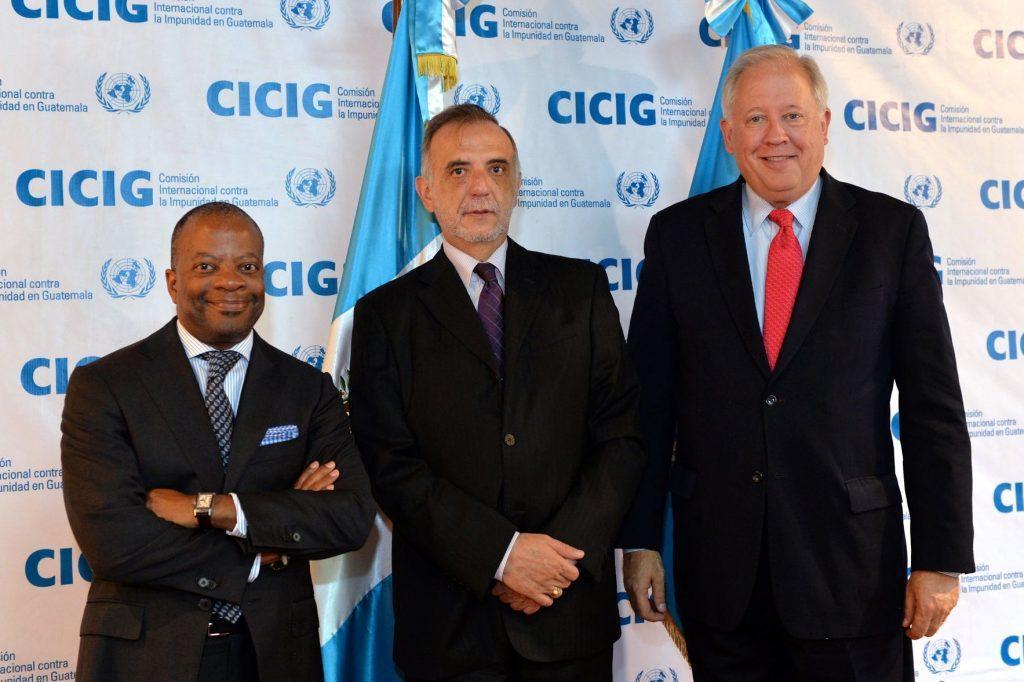
 Donald Trump has taken office, but Barack Obama’s agenda continues at a blistering pace in Guatemala. The US ambassador there is leading the charge.
 • January 9, 2017
 Taxpayers are on the hook for $750 million annually for five years to Central America, but under current circumstances, US foreign officials will squander the money.
 • December 20, 2016
 Guatemala may fly under the radar of US media, but how Donald Trump handles this Central American nation will be crucial to restoring the rule of law on immigration.
 • November 1, 2016
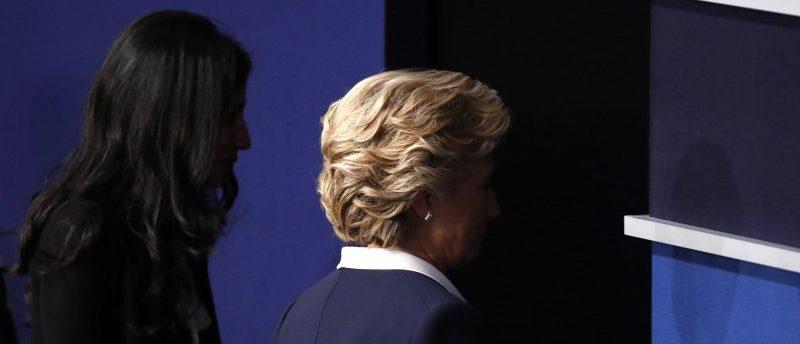
 If you want to see what foreign policy under a President Hillary Clinton would be like, then look to where she has done her business without being observed or constrained.
 • October 24, 2016
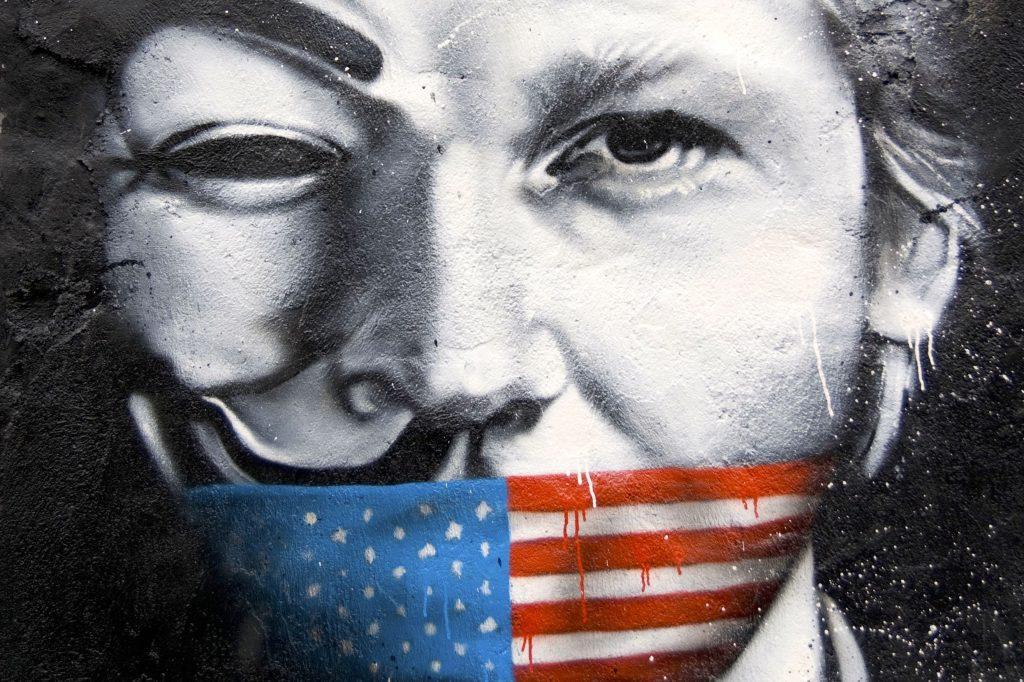
 No, you didn’t misread the title. The WikiLeaks dump of many thousands of emails has helped Hillary Clinton’s campaign by removing attention from anything else, except those pronouncements by Donald Trump that the media can latch onto and sensationalize.
 • September 6, 2016
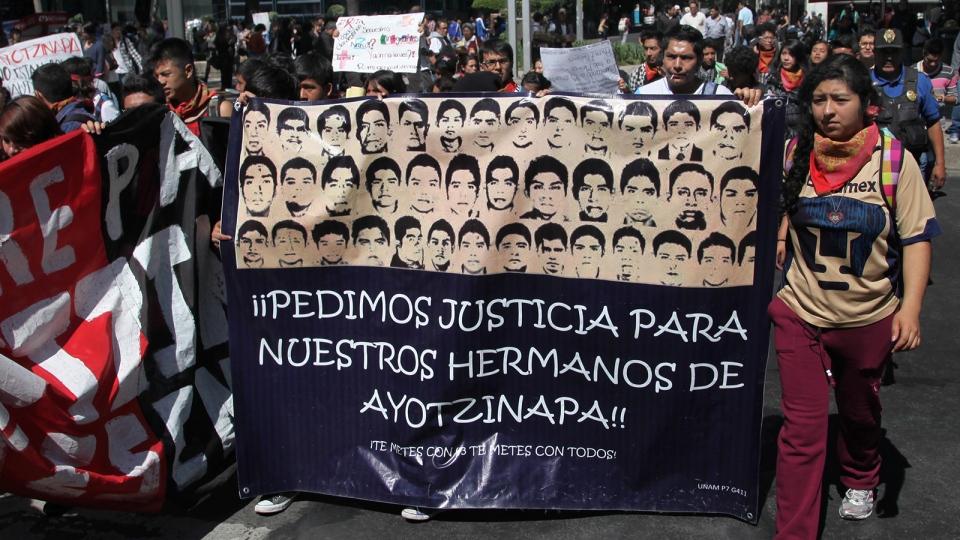
 Dr. Walid Phares’s account of the meeting between Mr. Trump and President Peña Nieto [NER, September 3] puts a frame around matters that’s all too rare in our current landscape of media analysis.
 • September 4, 2016
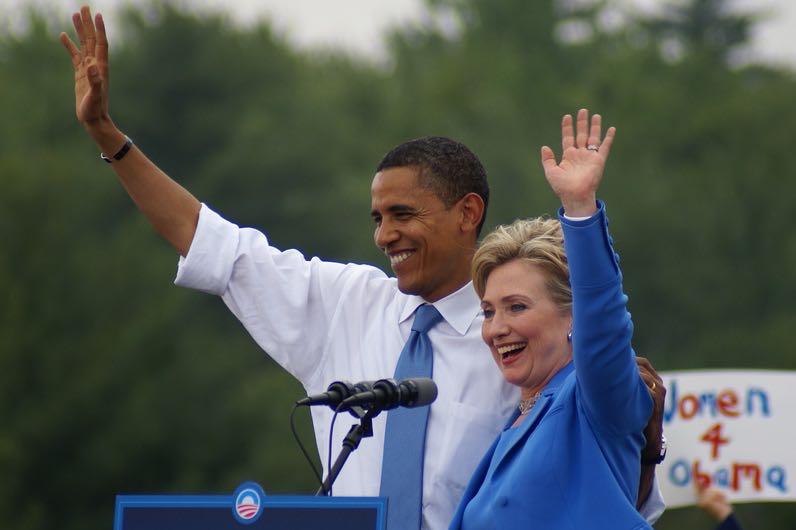
 An English music critic, using all the pleasant contempt to which his station entitled him, once wrote of an Italian tenor in Carmen that the singer’s French pronunciation “has to be heard to be believed.”
 • April 21, 2016
 Three former Obama Secretaries of Defense have recently expressed grave concern that a widespread bias in the nation’s culture has penetrated the Oval Office: the United States now has a commander-in-chief who roundly dislikes the military.
 • April 4, 2016
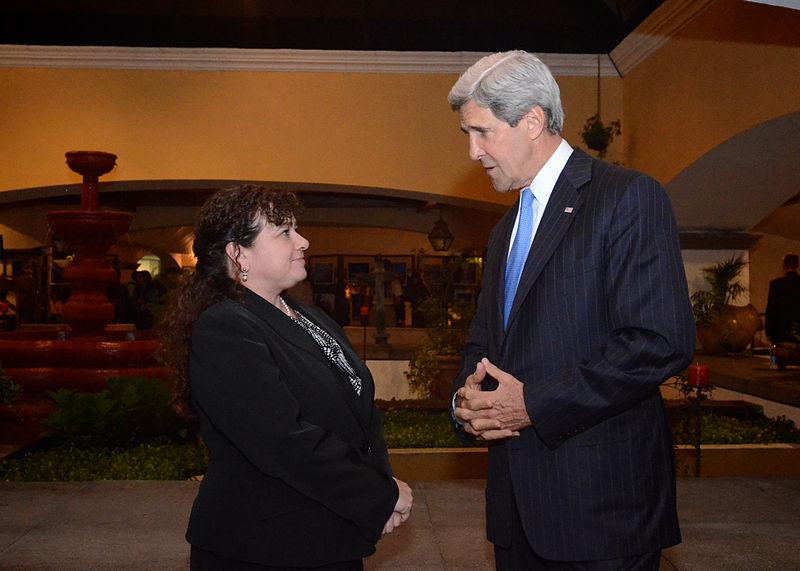
 On March 29, US Secretary of State John Kerry, in a State Department ceremony, conferred one of its International Women of Courage awards on Guatemala’s attorney general, Thelma Aldana.
